
Is Deep Brain Stimulation Right for You?
If you or someone you love is living with Parkinson’s disease, essential tremor, dystonia, or epilepsy, you may have reached a point where medications aren’t providing the relief they once did — or the side effects have become their own burden.
Deep brain stimulation, or DBS, is a proven surgical treatment that was approved by the FDA for treating tremors in 1997 and Parkinson’s in 2002. Since then, more than 100,000 patients have DBS. The Denver DBS Center surgeons have completed more than 1,000 DBS surgeries and perform more than 50 annually.
DBS can help when medications fall short. DBS involves implanting a small device under the skin that is connected to leads placed in specific areas of the brain. The leads delivers gentle electrical signals that help calm the abnormal brain activity causing your symptoms.
DBS doesn’t cure these conditions, but for many patients it meaningfully reduces tremors, improves movement and balance, decreases seizures, and restores the ability to do things that matter like holding a grandchild, writing, cooking, and working. We’ve helped patients who even returned to mountain biking and climbing.
If your symptoms are affecting your quality of life and you’re wondering whether there’s more that can be done, DBS may be worth exploring. At the Denver DBS Center, we can help answer your questions and we will never pressure you to have DBS surgery.
What to Expect: Your DBS Journey
Every DBS journey is different, but most patients move through a similar path. Typically, patients and their families may research DBS for months or even years. Then they learn whether they are a candidate for DBS and whether it will make a meaningful difference in their lives. From the initial evaluation to surgery takes one to three months at the Denver DBS Center.
Understanding what’s ahead can make the process feel far less overwhelming.
- Research
DBS is a major decision, and most patients and their families want to understand it better before committing to an evaluation. If you are in this stage, we can help provide you with information. In addition to the information here on our website, our DBS Nurse Navigator is available free of charge to answer your questions. If you’d like to schedule a call to learn more about DBS, use the link below and Julie, our DBS Nurse Navigator, will reach out to schedule a time.
- Evaluation
The journey begins with a thorough evaluation to determine whether DBS is a good fit for you. This typically involves a neurological exam, a review of your medications and symptom history and neuropsychological testing. Our goal is to provide you with a clear picture of what DBS can realistically offer you.
- Candidacy
Careful selection of patients is an essential element to achieving a good outcome. We take that very seriously and, as a result, we have very high outcomes with very low complications.
Not everyone with Parkinson’s, essential tremor, dystonia, or epilepsy is a candidate for DBS, and that’s important to understand from the very start of your journey. Our team will review your test results and talk with you honestly about whether DBS is likely to help, what improvements you can realistically expect, and what alternative treatments are available. This is a conversation where your questions matter. You should never feel rushed or like you’re being pushed into having surgery.
Most patients pursuing DBS are on Medicare, and Medicare covers deep brain stimulation surgery when candidacy criteria are met. Most private insurance plans cover DBS as well. If cost or coverage is a concern, our team can help you understand your benefits before you make any decisions.
- Surgery
DBS surgery is a two-part procedure. During the first surgery, which is performed at AdventHealth Littleton, our DBS neurosurgeons place thin leads into precise targets in your brain that we have identified before surgery through advanced imaging. This surgery can be done while you are asleep or awake, and we’ll advise you if one is better for your particular condition. Once you’ve healed from that surgery, we then do a smaller procedure in an outpatient surgical center to connect those leads to a small generator implanted under the skin near the collarbone.
- Programming
After surgery, your DBS device is programmed and adjusted to find the settings that work best for your symptoms and your life. This process takes time and patience — the right settings aren’t always found immediately — but it’s where many patients begin to experience the changes that made DBS worth pursuing. We also provide remote programming for appropriate patients, which allows us to program your DBS while you’re at home. This is especially helpful for patients who live outside Denver or who lack transportation.
- Follow-Up Care
Once your DBS system has been programmed for maximum benefit, you’ll enjoy the benefits and probably won’t need (or want) to visit us much after that. But that doesn’t mean our support ends. We can adjust your programming if your condition or the effects change. We also can change your battery, when it is needed.
And just as importantly, we’re here for support and information with a dedicated care team and a DBS nurse navigator who remains your single point of contact throughout your journey — not just in the weeks after surgery, but for years to come.
Serving DBS Patients Throughout the West
The Denver DBS Center at Neurosurgery One is a dedicated deep brain stimulation program serving patients from across Colorado, Wyoming, Kansas, Nebraska, New Mexico, and the Rocky Mountain West. Learn more about what makes the Denver DBS Center different.
Patient Success Stories
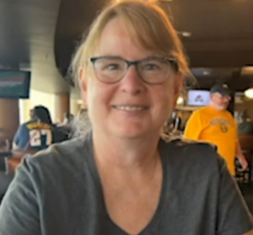
“It’s a huge opportunity for someone with Parkinson’s to relieve some of the burden, because it’s hard.”
Lisa
Amanda
DBS Patient
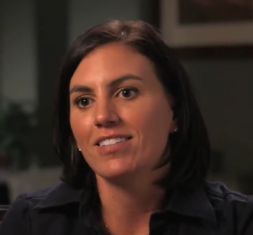
“My life is greatly improved because of DBS. Your life is going to change. You don’t know how it’s going to change or when it’s going to change, but it can change for the better. I think if you’re open to letting that happen, though, you’re not alone.”
Katie Strittmatter
Wife and mother of 2
Ready to Take the Next Step?
You don't have to figure this out alone. Whether you're newly diagnosed, recently referred, or have been living with symptoms for years and wondering if there's more that can be done — we're here to help you find clarity. Learn more about DBS with a free call with our nurse navigator, or schedule a clinical evaluation to get started on your DBS journey. The first step is simply a conversation. Our team will listen to where you are, answer your questions honestly, and help you understand whether DBS evaluation makes sense for you right now. There's no pressure. No commitment. Just information and support — so you can make the decision that's right for your life.
This page was revised and approved on April 20, 2026, by Dr. Abhijeet Gummadavelli, fellowship-trained functional neurosurgeon and DBS specialist with Neurosurgery One.