Low back pain is hands down one of the most common ailments of our time. If you’re searching for lower back pain self-care remedies, you’re not alone — nearly everyone will experience it at one point or another.
The good news: most low back pain improves with simple, evidence-based self-care at home. In most cases, the goal isn’t bed rest or “waiting it out.” It’s staying as active as you safely can, using a few smart pain-relief tools, and gradually building back to normal.
Of course, there are times when back pain requires a trip to the ER. Read When is back pain an emergency?
This guide covers:
- What are common causes of low back pain?
- When should I use lower back pain home remedies?
- What to do and not do to treat lower back pain at home
- Is ice or heat better for lower back pain?
- Is ibuprofen or acetaminophen better for treating back pain?
- Should I exercise or avoid activity when I have back pain?
- Will marijuana relieve chronic back pain?
- Is massage or acupuncture good for relieving back pain?
- Should I see a chiropractor for my back pain?
- When should I see a back pain doctor?
What are common causes of low back pain?
Lower back pain is a common condition that affects people of all ages. It has a variety of causes, ranging from poor posture to serious medical conditions. The most common causes of lower back pain include:
- Muscle or ligament strain/sprain. The most common cause of lower back pain, strains occur when muscles or ligaments become stretched or torn. This can happen gradually from overuse or suddenly, such as from lifting a heavy object or making a sudden movement.
- Herniated or bulging discs. This occurs when the jelly-like center of a spinal disc pushes through a tear in the outer layer and irritates nearby nerves.
- Spinal stenosis. Typically associated with aging, this condition is when the spinal canal narrows and puts pressure on the spinal cord and nerves.
- Osteoarthritis. This is a degenerative disease that can affect any of the joints in the spine but most commonly occurs in the low back.
- Osteoporosis. This is a condition in which the bones become weak and brittle, which can lead to fractures anywhere along the spine, but most frequently in the low back.
Should I try lower back pain self care before seeing a doctor?
As long as you don’t have any red flag back pain symptoms that would necessitate a trip to the emergency department, it’s typically safe to begin lower back pain home remedies as soon as you start experiencing discomfort.
Current guidelines emphasize education and active self-management as first-line care for most low back pain: keep moving, pace your activity, and use simple symptom relief, like heat and over the counter medicine, when appropriate.
Beginning lower back pain self care right away has two benefits. First, you’ll likely find relief since the majority of low back pain can be treated at home without further intervention.
 The other benefit comes in the event you do need medical treatment. Most insurance plans require that patients try conservative treatment, including lower back pain self care such as the use of non-steroidal anti-inflammatory drugs (NSAIDs) and physical therapy for six weeks prior to approving diagnostic imaging.
It’s also important to know what doesn’t help early on: routine imaging (X-ray or MRI) for acute, nonspecific low back pain typically doesn’t improve outcomes. Imaging often shows normal age-related changes that aren’t the real cause of pain and can lead to unnecessary worry or interventions. Imaging is most useful when symptoms suggest a specific underlying issue or when results would change the plan.
You should seek urgent evaluation (and imaging may be appropriate) if you have symptoms like fever, a history of cancer, significant trauma, new bowel or bladder changes, saddle numbness, or worsening leg weakness/numbness.
Which lower back pain self-care techniques to try — and which to skip
There are lots of options when it comes to lower back pain self care, and what works for one person might not necessarily work for another. Similarly, even if one type of lower back pain self care technique worked for you in the past, you might need to try something different next time.
In general, most cases improve with a combination of short-term symptom relief (over-the-counter medication if safe, heat/ice as needed) and steady, gentle movement. The key is pacing: do what you can without overdoing it, then gradually increase your activity over days to weeks. Think “graded activity,” not “push through pain” and not “avoid everything.”
Is ice or heat better for lower back pain?
If your back pain is a result of an acute injury, such as a sports injury or a fall, ice can help in the first couple of days by calming inflammation and numbing soreness.
Heat, especially wet heat like a warm shower, often feels more soothing and can help relax tight muscles and ease stiffness.
A simple approach is to use whichever feels best, and do it consistently. Apply heat or ice for 15–20 minutes at a time, up to a few times per day. Some people prefer alternating between ice and heat throughout the day, 15-20 minutes at a time each. At the end of the day, do what helps you move more comfortably.
A few safety reminders: don’t place ice directly on bare skin, and don’t fall asleep with a heating pad on.
Is ibuprofen or acetaminophen better for treating back pain?
Chances are, your lower back pain self care regimen will include over-the-counter pain relievers. But it can be difficult to decide which one to take.
If possible, choose an NSAID, such as ibuprofen (Advil or Motrin) or naproxen (Aleve). These drugs offer pain relief and also reduce inflammation, which can help get rid of the back pain. Acetaminophen (Tylenol) is a pain reliever only and does not reduce inflammation. If you are unable to take an NSAID for any reason—say, you have kidney disease or take diuretics—then Tylenol is worth a try, but it likely won’t provide the same amount of relief as an NSAID would. If an NSAID isn’t safe for you, talk to you can talk to a clinician about alternatives.
Some people alternate or combine acetaminophen with an NSAID under clinician guidance, because the acetaminophen helps the NSAID to work better. Just be sure to not exceed label limits and avoid double-NSAID use.
As for how much you can take, use only as directed on the label until you can consult with your primary care provider. Ask a clinician/pharmacist if you have kidney disease, ulcers/bleeding risk, heart disease, are on blood thinners, or are pregnant.
Should I exercise or avoid activity when I have back pain?
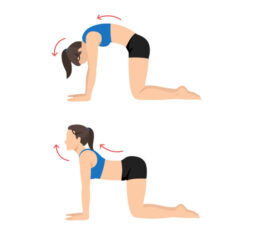
Lower back pain self care used to include plenty of rest, but not anymore. Now we know that staying active and gentle movement can actually help alleviate back pain and prevent further problems. Exercise can help strengthen the muscles that support your spine, improve flexibility and promote good posture, all of which can help alleviate back pain. However, it’s important to take things slow and to modify your movements as needed to avoid further injury.
Walking, yoga, and gentle stretching are good ways to start. You can find stretching routines and yoga poses for low back pain online. Sometimes just doing some cat-cow stretches can be really beneficial.
Be sure to avoid activities that worsen your pain, and stop if anything hurts. As with any postinjury activity, start slow and gradually increase the duration and intensity of your exercise routine to avoid reinjury.
Will marijuana relieve chronic back pain?
The results here are highly individualized. Some patients say they get relief using CBD topicals whereas others don’t see a difference. There’s no harm in giving them a try.
As far as ingesting marijuana goes, it can act as a pain reliever and likely will take your mind off the pain, but the effect is temporary. Marijuana will not reduce inflammation or treat the cause of the back pain.
Regular or recent use of marijuana can require extra anesthesia during surgery and may have side effects during recovery, so it’s important to be honest with your health providers about your usage.
Is massage or acupuncture good for relieving back pain?
A great lower back pain home remedy is gentle massage, when performed by an experienced massage therapist. Physical therapists also may incorporate massage into their back pain treatment plans. Be sure to look for a professional who has lots of experience treating patients with low back pain. You certainly don’t want to leave with more pain than you went in with.
The jury is still out on acupuncture for low back pain. Evidence is mixed and some guidelines recommend against routine acupuncture for low back pain. If you’re interested in acupuncture, it’s best to discuss with a clinician before seeking treatment. Additionally, a practice called dry needling, performed by a physical therapist, might be a better option. While it may look like acupuncture to the untrained eye, dry needling involves inserting very thin needles into specific trigger points in the back to relieve pain. Experts aren’t entirely sure how it works to relieve pain, but a 2018 study found dry needling to be more effective than acupuncture at relieving low back pain.
Should I see a chiropractor for my back pain?
Chiropractors are known for treating back pain by making “adjustments” to the spine, but many also offer approaches that overlap with physical therapy. I don’t recommend having any chiropractic adjustments made to the back or neck, especially without diagnostic imaging. But if you have a licensed chiropractor you like, you could ask them about the other techniques they use, such as massage, gentle stretching, or guided exercise. If you see a chiropractor, communicate your symptoms clearly, and stop if treatment worsens pain or triggers new leg symptoms.
When should I see a back pain doctor?
Most patients begin to feel relief after a couple of days of lower back pain self care. The pain should continue to dissipate before resolving in a week or two. If your pain worsens, persists past two weeks or affects your ability to perform daily tasks, it’s time to see a medical provider. You can get initial back pain care from your primary care provider or you can make an appointment with us through our Neurosurgery One Spine Clinic where you will meet with one of our Advanced Practice Providers (APPs) to make your initial assessment and refer you for testing, imaging or initial treatment. Our APPs work as part of a team with our interventional pain management physicians, spine surgeons, and our bone health experts so that your diagnosis and treatment plan gets a thorough and rapid review from multiple specialists.

Dr. Tyler Woodworth is a fellowship-trained interventional pain management physician specializing in non-surgical treatment for spine, joint, muscle, and nerve pain. Dr. Woodworth sees patients at Neurosurgery One’s Parker and Lone Tree clinics and treats conditions including back and neck pain, sciatica, disc herniations, arthritis, sports injuries, and nerve-related pain. He specializes in advanced image-guided procedures including epidural steroid injections and radiofrequency ablation (RFA), helping patients reduce pain, restore function, and return to active, fulfilling lives through personalized, patient-centered care.