
Modern neurosurgery has advanced dramatically in recent years, offering patients safer, more precise treatment options for complex brain and spine conditions. Through modern neurosurgical innovations such as minimally invasive techniques, advanced imaging, and technology-assisted procedures, today’s neurosurgeons can improve outcomes while reducing recovery time and surgical risk. Understanding these modern neurosurgical practices empowers patients to make informed decisions about their brain and spine care and highlights how innovation continues to transform neurological treatment.
At Neurosurgery One, our board-certified neurosurgeons provide advanced brain and spine care to patients from across Colorado and the Rocky Mountain region, combining leading-edge technology with patient-centered treatment.
Our Colorado neurosurgeons offer advanced brain surgery techniques emphasizing accuracy and tissue preservation. Examples include:
- Image-guided neuronavigation and intraoperative MRI/CT to confirm complete tumor or lesion removal.
- Awake craniotomy with motor and language mapping to protect speech and movement centers.
- Endoscopic endonasal approaches for pituitary and skull base tumors through the nasal passages, avoiding large incisions.
- Fluorescence-guided surgery (such as 5-ALA) to distinguish tumor from healthy tissue.
- Stereotactic radiosurgery for select tumors and vascular malformations when open surgery isn’t necessary.
- Deep Brain Stimulation for Parkinson’s disease, essential tremor, epilepsy and dystonia, programmed to control symptoms while minimizing side effects.
- Laser interstitial thermal therapy for small, well-defined epileptic foci or tumors.
Spine treatment options prioritize conservative therapies before surgery. Physical therapy, targeted medications, and interventional pain management, including epidural steroid injections, medial branch blocks, and radiofrequency ablation, can relieve pain and improve function. When surgery is indicated, we use minimally invasive neurosurgery techniques to reduce muscle disruption and blood loss, leading to faster and less painful recovery. These minimally invasive spine surgeries include:
- Microdiscectomy and decompression for herniated discs and spinal stenosis.
- Minimally invasive TLIF/ALIF or lateral interbody fusion, supported by navigation or robotics for precise hardware placement.
- Cervical disc replacement and lumbar TOPS surgery to preserve motion as an alternative to fusion.
- Kyphoplasty/vertebroplasty for painful vertebral compression fractures.
Intraoperative neuromonitoring helps protect the spinal cord and nerves in real time.
Neurosurgery One, named Colorado’s No. 1 Neurosurgical Practice by Castle Connolly, goes beyond typical neurosurgical practices by offering comprehensive care methods beyond the operating room. Multidisciplinary clinics handle concussions and bone health and offer programs to improve patient health before and after surgery. We also provide quick assessment clinics at all of our locations for urgent back and neck pain. This integrated, evidence-based approach aims to restore function with fewer complications and faster recovery.
Comprehensive Brain Conditions Treatment
Modern neurosurgical practices bring precision and personalization to a wide spectrum of brain disorders. At Neurosurgery One, our evaluation typically starts with high-resolution MRI, functional MRI, diffusion tractography, and, when needed, EEG and neuropsychological testing to map critical brain networks. These neurological care methods help determine whether medication, neuromodulation, or surgery offers the best path forward.
For brain tumors and skull base lesions, brain surgery techniques emphasize maximal safety and function:
- Endoscopic endonasal approaches for pituitary and skull base tumors reduce nasal trauma and length of hospital stays.
- Awake craniotomy with language and motor mapping preserves speech and movement during tumor removal.
- Fluorescence-guided resection (e.g., 5-ALA) and neuronavigation improve tumor visualization.
- Laser interstitial thermal therapy (LITT) provides a minimally invasive option for select deep-seated or recurrent tumors.
Movement disorder care is similarly tailored. Deep Brain Stimulation (DBS) can reduce tremor and rigidity in Parkinson’s disease, essential tremor, and dystonia. Advanced planning uses patient-specific imaging, microelectrode recording, and directional leads to refine targeting.
Epilepsy surgery options include temporal or extratemporal resections, LITT for focal lesions, and neuromodulation such as DBS, responsive neurostimulation (RNS) and vagus nerve stimulation (VNS). Presurgical workups may involve video-EEG monitoring and functional mapping to localize seizure onset while protecting cognition and language.
Neurosurgery One is one of the few neurosurgical practices to offer stereoelectroencephalography (SEEG), a minimally invasive neurosurgical procedure using depth electrodes to precisely map seizure origins in drug-resistant epilepsy. Our neurosurgeons use SEEG to plan targeted treatments like surgery or neuromodulation by recording brain activity deep within the brain, offering better outcomes with less risk than older diagnostic methods.
Other conditions benefit from minimally invasive neurosurgery:
- Hydrocephalus: endoscopic third ventriculostomy or programmable shunt placement.
- Trigeminal neuralgia: microvascular decompression, percutaneous procedures, or stereotactic radiosurgery when appropriate.
- Normal pressure hydrocephalus: diagnostic CSF testing followed by shunt therapies tailored to gait and cognitive goals.
Across these pathways, enhanced recovery protocols, targeted pain control, and coordinated rehabilitation speed return to daily life. For patients with coexisting spinal issues, the team synchronizes brain and spine treatment options to address symptoms comprehensively.
The result is care that combines proven brain surgery methods with less invasive techniques when possible. This aims to relieve symptoms, protect function, and improve long-term quality of life.
Advanced Spine Care and Surgery
In modern neurosurgical practices, spine care begins with precise diagnosis and a stepwise plan that prioritizes conservative treatments, safety and function. Advanced imaging (MRI/CT), selective nerve root blocks, and electrodiagnostic testing pinpoint the pain generator — whether herniated disc, spinal stenosis, spondylolisthesis, or compression fracture — allowing healthcare providers to tailor treatment instead of using a one-size-fits-all approach.
Most patients improve without surgery through evidence-based comprehensive treatment plans. A coordinated program may include physical therapy focused on core stabilization, anti-inflammatory or neuropathic medications, and interventional pain procedures. Epidural steroid injections, facet joint injections, medial branch blocks, and radiofrequency ablation can reduce inflammation and interrupt pain signaling while you stay active. Bone health evaluation is essential when osteoporosis contributes to vertebral compression fractures, with options such as vertebral augmentation (kyphoplasty) when appropriate.
When conservative measures are not enough, minimally invasive spine neurosurgery offers targeted solutions designed to minimize tissue disruption and speed recovery. Examples include:
- Microdiscectomy for lumbar disc herniation causing sciatica
- Minimally invasive laminectomy or laminotomy for spinal stenosis
- Transforaminal or lateral lumbar interbody fusion (TLIF/LLIF) for instability or recurrent disc disease
- Cervical disc replacement for select patients with neck pain and arm symptoms
- Revision surgery for failed prior fusion or hardware issues
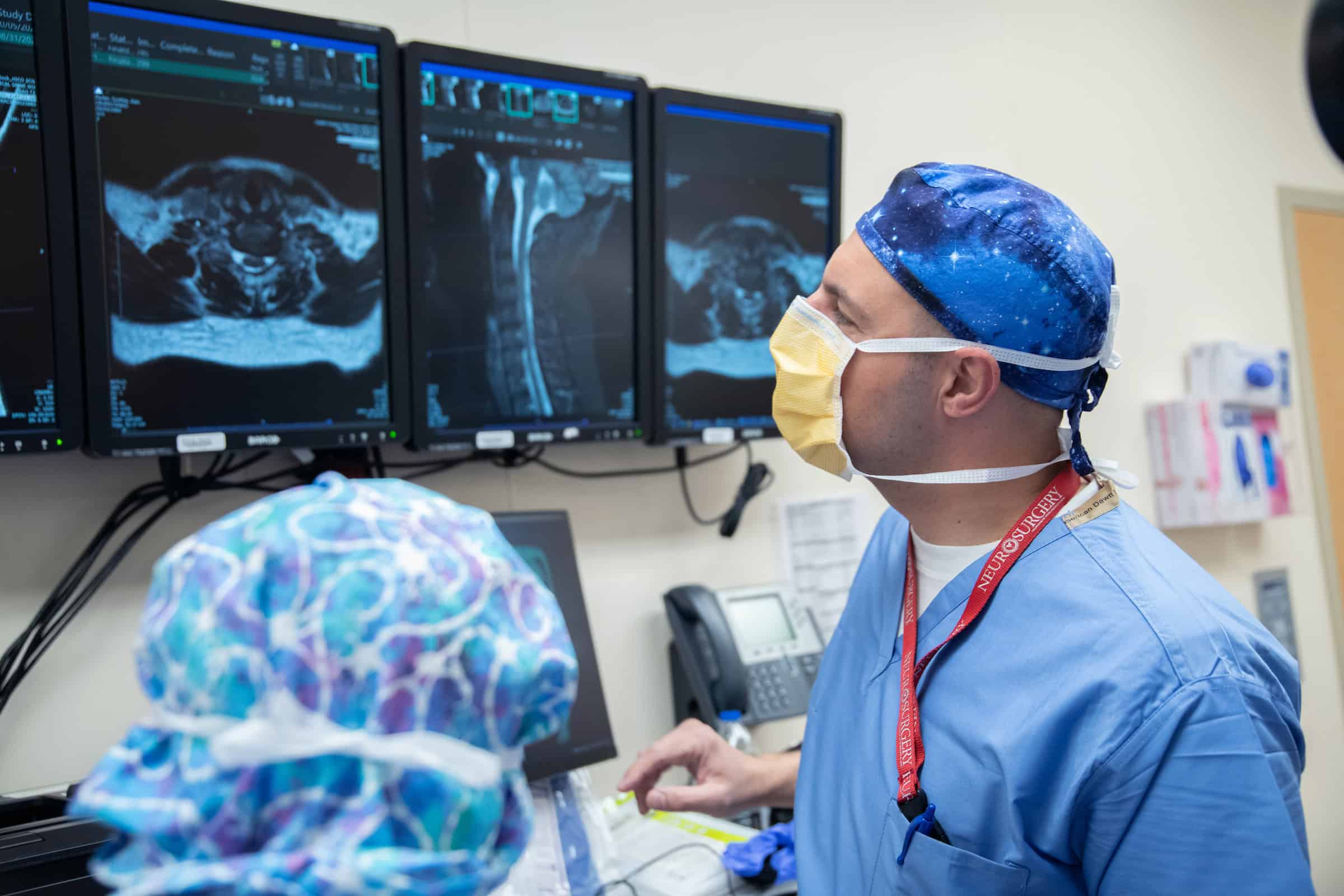
These spine treatment options are enhanced by navigation-assisted instrumentation, intraoperative imaging, and neuromonitoring to protect nerves. Our neurosurgeons utilize techniques first refined as brain surgery techniques, such as microsurgical visualization, endoscopy, and stereotactic guidance, to improve precision and outcomes in spine procedures.
Specialists address complex deformities, such as scoliosis and kyphosis, with 3D planning and staged correction when needed. For vertebral fractures, timely stabilization can reduce pain and prevent progressive deformity.
Urgent evaluation is critical for red flags like progressive leg weakness, saddle anesthesia, or loss of bowel or bladder control, which may indicate cauda equina syndrome requiring emergent decompression. For severe acute back or neck pain without red flags, rapid access to imaging and targeted injections can control symptoms and clarify next steps.
Across this continuum, our goal is to relieve pain, restore mobility, and return you to life with the least invasive approach that will reliably solve the problem.
Minimally Invasive Techniques
Less disruption to tissue and faster recovery times are hallmarks of modern neurosurgical practices, including Neurosurgery One. By using smaller incisions, targeted visualization, and precise instrumentation, our neurosurgeons can treat complex brain and spine conditions while reducing blood loss, pain, and hospital stays. These brain surgery techniques and spine surgery options often allow patients to go home the same day or after a short inpatient stay.
For the spine, minimally invasive neurosurgery focuses on treating the source of compression or instability while preserving healthy muscle and ligament:
- Microdiscectomy and laminotomy remove herniated disc fragments or bone spurs through 1–3 cm incisions using tubular retractors and a microscope.
- Minimally invasive lumbar fusion (e.g., MIS-TLIF or lateral approaches) stabilizes painful spondylolisthesis with percutaneous screws and cages placed through small portals rather than open exposure.
- Endoscopic spine surgery uses a camera and microinstruments to address disc herniations or stenosis with minimal soft-tissue disruption.
- Kyphoplasty and vertebroplasty stabilize painful vertebral compression fractures via needle-sized access, restoring height and reducing pain.
- Interventional pain procedures—epidural steroid injections, medial branch blocks, radiofrequency ablation, and spinal cord stimulation trials—provide nonsurgical and surgical-adjacent options that can delay or avoid larger operations.
For cranial conditions, targeted approaches minimize brain retraction while maintaining effectiveness:
- Endoscopic endonasal surgery removes pituitary tumors and select skull base lesions through the nostrils, avoiding facial or scalp incisions.
- Keyhole craniotomies (such as an eyebrow approach) access meningiomas or aneurysms through small openings tailored to the lesion.
- Deep Brain Stimulation for movement disorders places electrodes via millimeter-accurate stereotactic guidance with tiny burr holes.
- Stereotactic radiosurgery delivers focused radiation to tumors or vascular malformations without an incision in appropriately selected cases.
- Awake mapping during tumor resection helps preserve speech and motor pathways while maximizing safe removal.
These neurological care methods are enabled by high-resolution imaging, neuronavigation, intraoperative neuromonitoring, and 3D planning that improve accuracy and safety. Our neurosurgeons integrate minimally invasive strategies across comprehensive spine care, advanced cranial surgery, and interventional pain management to align treatment intensity with each patient’s goals and condition severity.
Specialized Pain Management
Specialized pain management in modern neurosurgical practices starts with pinpointing the true source of pain. The medical team pairs detailed history, targeted physical exam, and correlation with MRI or CT with diagnostic injections to confirm the pain generator before committing to long-term therapy. This disciplined approach reduces unnecessary procedures and improves durability of relief.
Interventional spine procedures can alleviate pain and clarify diagnosis without open surgery:
- Epidural steroid injections for lumbar or cervical radiculopathy from herniated discs or spinal stenosis to reduce nerve inflammation and verify nerve-root involvement.
- Medial branch blocks followed by radiofrequency ablation when facet joints cause axial back or neck pain; properly selected patients often achieve 6–12 months of relief.
- Sacroiliac joint injections and lateral branch radiofrequency for SI-mediated low back pain.
- Spinal cord stimulation and dorsal root ganglion stimulation for persistent neuropathic limb pain, complex regional pain syndrome, or post-laminectomy syndrome, offered first as a temporary trial before permanent implantation.
- Vertebral augmentation (kyphoplasty) for painful osteoporotic compression fractures to stabilize the bone and often deliver rapid pain reduction.
When definitive structural correction is needed, minimally invasive neurosurgery offers precise decompression with less tissue disruption. Examples include microdiscectomy for herniated discs, endoscopic or tubular decompression for spinal stenosis, and MIS fusion techniques (such as MIS-TLIF or lateral lumbar interbody fusion) for instability or deformity. These spine treatment options typically shorten hospital stays, lower blood loss, and speed rehabilitation.
Cranial pain conditions also benefit from advanced neurological care methods. For medication-refractory trigeminal neuralgia, brain surgery techniques such as microvascular decompression can provide durable relief by separating a compressing vessel from the nerve. Alternatives include percutaneous rhizotomy procedures and stereotactic radiosurgery. Refractory occipital neuralgia may respond to targeted nerve blocks or peripheral nerve stimulation.
Urgent pathways matter when severe back pain is accompanied by red flags: progressive weakness, saddle anesthesia, or loss of bowel/bladder control. Rapid evaluation, imaging, and decompression can prevent permanent nerve injury.
Our spine specialists at Neurosurgery One integrate pain management with physical therapy, bone health optimization for fracture prevention, and opioid-sparing strategies. For example, a patient with L5 radiculopathy may progress from epidural injection to microdiscectomy if deficits persist, while an older adult with an acute compression fracture may achieve fast relief with kyphoplasty and osteoporosis care to reduce future risk.
Innovations in Neurological Surgery
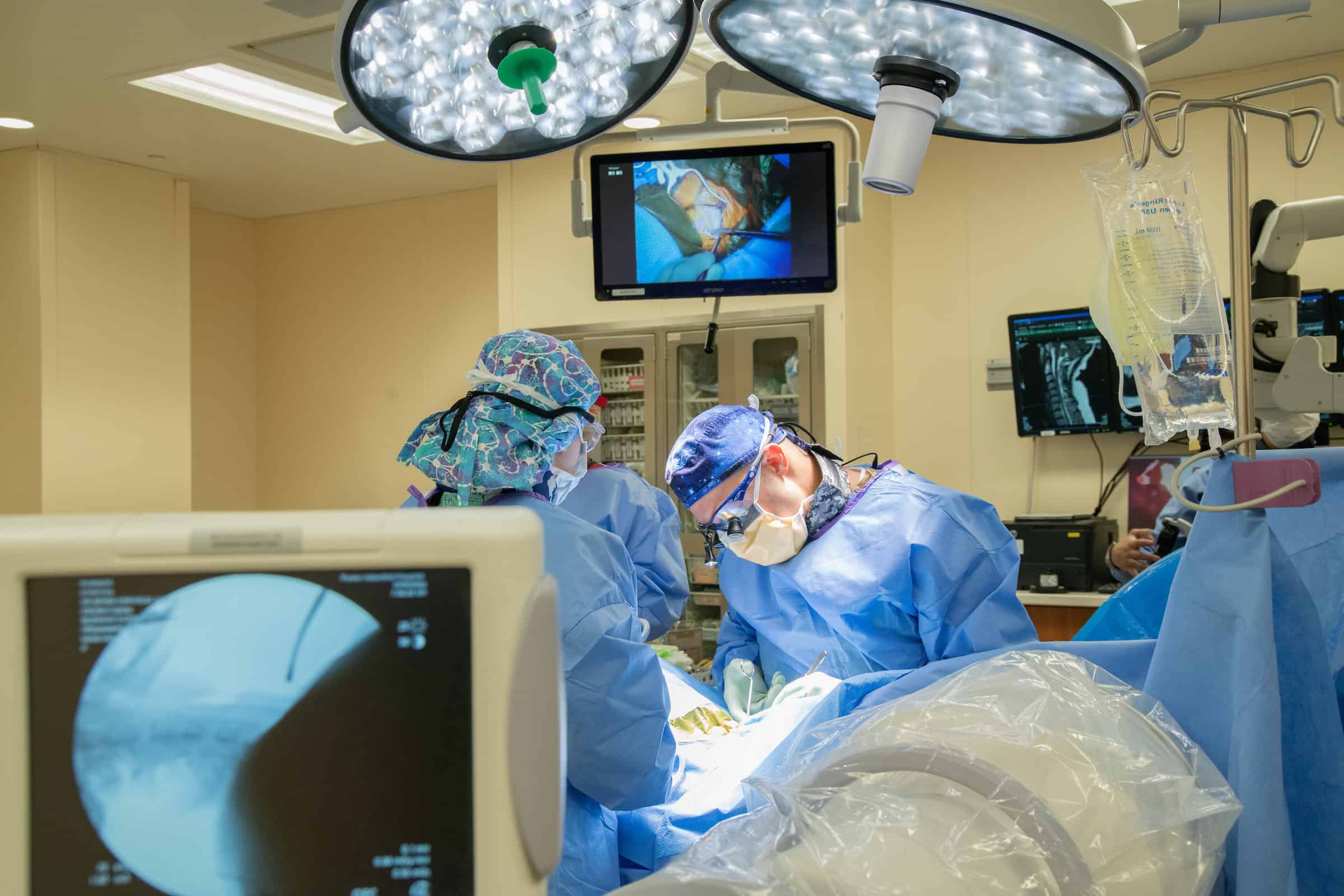
Modern neurosurgical practices center on precision, smaller incisions, and coordinated care that shortens recovery while protecting function. Advances in imaging, navigation, and neuromonitoring let neurosurgeons treat complex brain and spine problems with fewer complications and less pain.
Brain surgery techniques have evolved rapidly:
- Awake mapping and intraoperative neuromonitoring help preserve speech and motor function during tumor and epilepsy procedures.
- Laser interstitial thermal therapy (LITT) uses a tiny probe and real-time MRI guidance to ablate small tumors or epileptic foci through a minimal incision.
- Deep Brain Stimulation (DBS) precisely targets movement disorder circuits to reduce tremor, rigidity, and dyskinesia, with adjustable settings customized to symptoms.
- Endoscopic skull base approaches remove pituitary and other midline lesions through the nose, avoiding facial incisions and reducing hospital stays.
- Fluorescence-guided resection and neuronavigation improve tumor margin accuracy while minimizing injury to healthy brain.
Spine treatment options now prioritize stability and motion preservation:
- Minimally invasive neurosurgery techniques (such as tubular decompression, endoscopic discectomy, and MIS-TLIF) relieve nerve compression with less muscle disruption.
- Lateral and oblique approaches (LLIF/OLIF) allow interbody fusion through small flank incisions, often with less blood loss and faster mobilization.
- Cervical disc arthroplasty maintains motion in select patients and may reduce adjacent-level degeneration compared to fusion.
- Robotic and navigated instrumentation increases accuracy of pedicle screw placement in deformity, trauma, and revision cases.
- Vertebral augmentation (kyphoplasty/vertebroplasty) stabilizes painful osteoporotic fractures and can restore vertebral height.
Neuromodulation and interventional pain management expand non-opioid treatment options:
- Spinal cord stimulation modulate pain signals for chronic back, leg, or neuropathic pain after conservative care fails.
- Targeted injections and radiofrequency ablation address facet and sacroiliac joint pain with image guidance to improve precision.
Progress in neurological care methods extends beyond the OR. Enhanced Recovery After Surgery (ERAS) pathways, multimodal pain control, and same-day discharge protocols reduce opioid use and hospital stays while improving recovery times. Bone health optimization decreases the risk of hardware failure in fusion surgery. Rapid access for emergency back pain, specialty concussion care, and coordinated follow-up leverage these innovations to improve outcomes across the continuum of care. Treatment options vary based on individual diagnosis, and patients should consult with a neurosurgeon to determine the most appropriate approach.
Emergency Neurosurgical Interventions
When seconds matter, modern neurosurgical practices combine rapid diagnosis with decisive intervention. At Neurosurgery One, our neurosurgeons collaborate closely with emergency departments and critical care teams to stabilize patients, relieve pressure on the brain or spinal cord, and prevent secondary injury. Protocol-driven triage, immediate CT/MRI, and clear thresholds for operative versus medical management guide every step.
Examples of urgent brain conditions and brain surgery techniques include:
- Acute subdural or epidural hematoma: prompt craniotomy to evacuate blood; decompressive craniectomy when swelling threatens brain perfusion.
- Obstructive hydrocephalus from hemorrhage or tumor: external ventricular drain (EVD) placement to divert cerebrospinal fluid and control intracranial pressure.
- Aneurysmal or arteriovenous malformation bleed: coordination for endovascular coiling/embolization, with surgical clipping or resection when indicated.
- Pituitary apoplexy with vision loss: expedited endoscopic endonasal decompression in select candidates.
Emergent spine scenarios and spine treatment options include:
- Cauda equina syndrome from massive disc herniation: urgent microdiscectomy to restore bowel, bladder, and leg function.
- Spinal cord compression from tumor, fracture, or hematoma: decompressive laminectomy with stabilization as needed.
- Unstable traumatic fractures: instrumented fusion or percutaneous pedicle screw fixation to protect neural elements.
- Spinal epidural abscess: decompression and drainage combined with targeted antibiotics.
Minimally invasive neurosurgery plays a pivotal role in trauma care. Tubular retractors, keyhole cranial approaches, and percutaneous fixation can reduce blood loss and soft-tissue disruption, often shortening ICU and hospital stays. For example, percutaneous screws may stabilize a burst fracture without large midline incisions, and endoscopic techniques can assist with select hematoma evacuations.
Emergency neurological care methods extend beyond the operating room. Continuous neurologic exams, intracranial pressure monitoring, seizure prophylaxis after traumatic brain injury, and early mobilization are standard. Multimodal pain control and intraoperative neuromonitoring help protect function, while coordinated transition to rehabilitation supports recovery.
The goal is consistent: act fast, relieve pressure, stabilize the nervous system, and preserve quality of life, then guide patients from crisis through follow-up care to achieve the highest level of function and return to active daily living.
Patient-Centered Care Philosophy
At Neurosurgery One, care starts with listening. We want to understand your experience with your condition, limited function and pain, then understand your goals for treatment not just in medical terms but in lifestyle desires. Do you want enough relief from symptoms to return to rock climbing or you’re just wanting to halt further progression?
We align your medical needs and lifestyle goals with a customized treatment plan grounded in evidence-based, modern neurosurgical practices and focused on improving meaningful neurosurgical patient outcomes. We include you and your family in the decision-making, providing you with clear explanations of risks and benefits, and evidence-based pathways so you understand every step, whether you pursue conservative care or surgery.
A multidisciplinary team tailors plans using treatment options that fit your diagnosis and lifestyle. For spine conditions, we typically begin with nonoperative options such as physical therapy, activity modification, targeted medications, and image-guided injections. When needed, minimally invasive neurosurgery offers effective next steps with smaller incisions, less muscle disruption, and faster recovery.
Consider common lower back and leg pain from a herniated disc or spinal stenosis. Spine treatment options may include:
- Epidural steroid injections for inflammation control
- Microdiscectomy via tubular retractors to remove herniated fragments
- Endoscopic decompression for select stenosis cases
- Lateral or posterior lumbar fusion when instability is present
Navigation, intraoperative neuromonitoring, and fluoroscopy improve precision, while bone health optimization reduces fusion complications. Our bone health specialists address osteoporosis with DEXA-guided therapy before and after surgery to support durable outcomes.
For brain conditions, brain surgery techniques are individualized. Examples include:
- Deep Brain Stimulation for Parkinson’s disease and essential tremor, with comprehensive candidacy evaluations, microelectrode recording, and long-term programming support
- Epilepsy surgery using video-EEG and stereo-EEG to localize seizures, followed by laser interstitial thermal therapy, resection or neuromodulation when appropriate
- Tumor surgery with awake cortical mapping and neuronavigation to preserve language and motor function
Safety and recovery are built into our process. Enhanced Recovery After Surgery protocols prioritize opioid-sparing pain control, nausea prevention, early mobilization, and same-day or next-day discharge when safe. Follow-up combines in-person visits across multiple Denver-area locations with telehealth check-ins to minimize disruption. We also offer newer telehealth options, including DBS programming, whenever possible.
Urgent symptoms like new weakness, changes in bowel or bladder, or sudden severe back pain get quick attention. They receive fast triage and imaging, with emergency help if needed. Throughout, every plan is individualized, transparent, and focused on outcomes that matter to you.
FAQ's
- What is modern neurosurgery?
Modern neurosurgery uses advanced imaging, minimally invasive techniques, and precision technology to treat brain and spine conditions more safely and effectively.
- What are the benefits of minimally invasive neurosurgery?
Benefits include smaller incisions, reduced pain, shorter hospital stays, and faster recovery times.
- How has technology improved brain and spine surgery?
Technologies such as neuronavigation, robotic assistance, and advanced imaging improve surgical accuracy and patient outcomes.
- Is modern neurosurgery safer than traditional surgery?
In many cases, yes—modern techniques allow for greater precision, reduced tissue disruption, and improved recovery.